
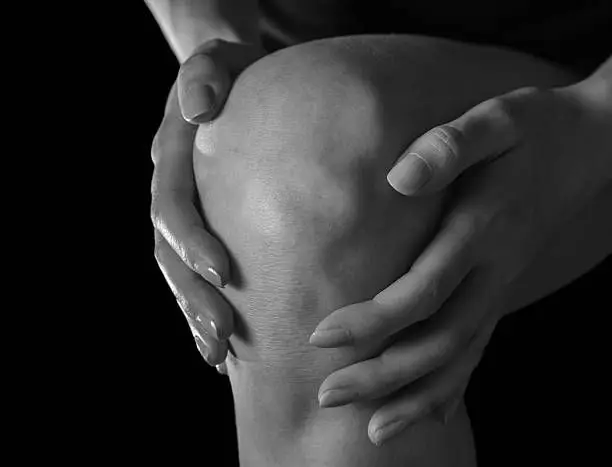
Knee Pain Treatment in Whittier – Diagnosis & Proven Relief Options
Knee pain is one of the most common musculoskeletal conditions affecting both active individuals and those dealing with chronic wear-and-tear. Whether your pain started after an injury, gradually over time, or due to underlying inflammation, the knee joint is highly complex—and proper diagnosis is essential for long-lasting relief.
At Uptown Wellness Center, we provide comprehensive knee pain evaluations, advanced imaging referrals (including MRI), and proven treatment plans designed to reduce pain, restore function, and help you return to normal activity safely and quickly.
Common Causes of Knee Pain
Knee pain can arise from multiple structures—bone, cartilage, ligaments, tendons, or the surrounding soft tissue. The most common causes include:
✔ Meniscus Injuries
The meniscus is a C-shaped cartilage cushion between the thigh and shin bones.
Meniscus issues can come from:
-
Twisting injuries
-
Sports trauma
-
Degeneration with age
-
Repetitive strain
Symptoms: sharp pain, clicking, catching, difficulty fully bending or straightening the knee, and swelling.
A meniscus tear often requires proper imaging—MRI is the gold standard and we can refer you for immediate testing.
✔ Knee Osteoarthritis
Arthritis occurs when cartilage in the knee wears down, causing inflammation, stiffness, and pain.
Common signs include:
-
Morning stiffness
-
Pain with walking, stairs, or prolonged standing
-
Swelling
-
Grinding or cracking sensations
Our clinic specializes in conservative arthritis management to reduce pain and improve mobility without surgery.
✔ Patellar Tracking Issues & Tendonitis
Repetitive stress, muscle imbalance, and overuse can irritate the knee cap or patellar tendon.
This is common in runners, active adults, and those who sit for long hours.
✔ Osgood–Schlatter Disease
A common cause of knee pain in growing adolescents, especially athletes.
It occurs when the quadriceps pull on the growth plate at the top of the shin bone, causing:
-
A painful bump below the kneecap
-
Tenderness with squatting, kneeling, or running
-
Inflammation during sports seasons
We offer safe, effective, non-invasive treatments to reduce symptoms and keep young athletes active.
How We Diagnose Knee Pain
Accurate diagnosis is critical because the knee has multiple structures that can mimic each other’s symptoms.
Your evaluation may include:
-
Full orthopedic examination
-
Neurological testing
-
Range-of-motion and gait analysis
-
On-site X-ray referrals
-
MRI referrals for detailed imaging (meniscus, cartilage, ligaments, tendons)
An MRI allows us to identify structural injuries with high accuracy, ensuring you receive the most effective treatment plan.
Conservative In-Office Treatments We Offer
Our non-surgical, evidence-based knee pain treatments include:
✔ Chiropractic & Joint Mobilization
Improves alignment, reduces joint stress, and enhances mobility.
✔ Myofascial Release & Soft Tissue Therapy
Reduces tension in surrounding muscles like the quads, hamstrings, and calf.
✔ Shockwave Therapy (ESWT)
Breaks down scar tissue, stimulates healing, and improves chronic tendon and ligament conditions.
✔ Class IV Laser Therapy
Reduces inflammation and accelerates tissue repair.
✔ Spinal & Lower Extremity Biomechanics Correction
Addresses hip, pelvis, and foot mechanics that contribute to abnormal knee loading.
✔ Customized Home Exercise & Stretching Programs
Improves strength, flexibility, and long-term knee stability.
Advanced & External Treatment Options
(We coordinate care or provide referrals when appropriate.)
✔ Platelet-Rich Plasma (PRP) Injections
Uses your own blood plasma to stimulate healing of chronic tendon injuries, meniscus degeneration, and arthritis-related pain.
✔ Hyaluronic Acid (Gel Pad) Injections
Restores lubrication inside the joint, helpful for arthritis and chronic grinding.
✔ Physical Therapy Programs
Strengthening, balance restoration, gait retraining, and functional rehab.
These treatments are often used in combination with our conservative in-office therapies for maximum relief.
Proven Treatment Results
Patients typically experience:
-
Decreased inflammation
-
Improved mobility
-
Increased strength and stability
-
Reduced pain levels
-
Enhanced ability to walk, squat, exercise, and complete daily activities
With proper diagnosis and a structured treatment plan, most knee conditions respond well without the need for surgery.
When to Seek Care Immediately
You should be evaluated promptly if you experience:
-
Swelling that does not improve
-
Buckling or giving way
-
Locking or inability to straighten the knee
-
Persistent pain for more than 1–2 weeks
-
Pain after a sudden trauma or sports injury
Knee Pain Treatment in Whittier – Start Your Recovery Today
At Uptown Wellness Center, we specialize in non-invasive solutions that restore motion, reduce pain, and help patients avoid unnecessary surgeries. Whether your knee pain is new or chronic, we will guide you through a personalized diagnostic and treatment plan—including advanced imaging like MRI when needed.